More Time, Space, and Value-Add
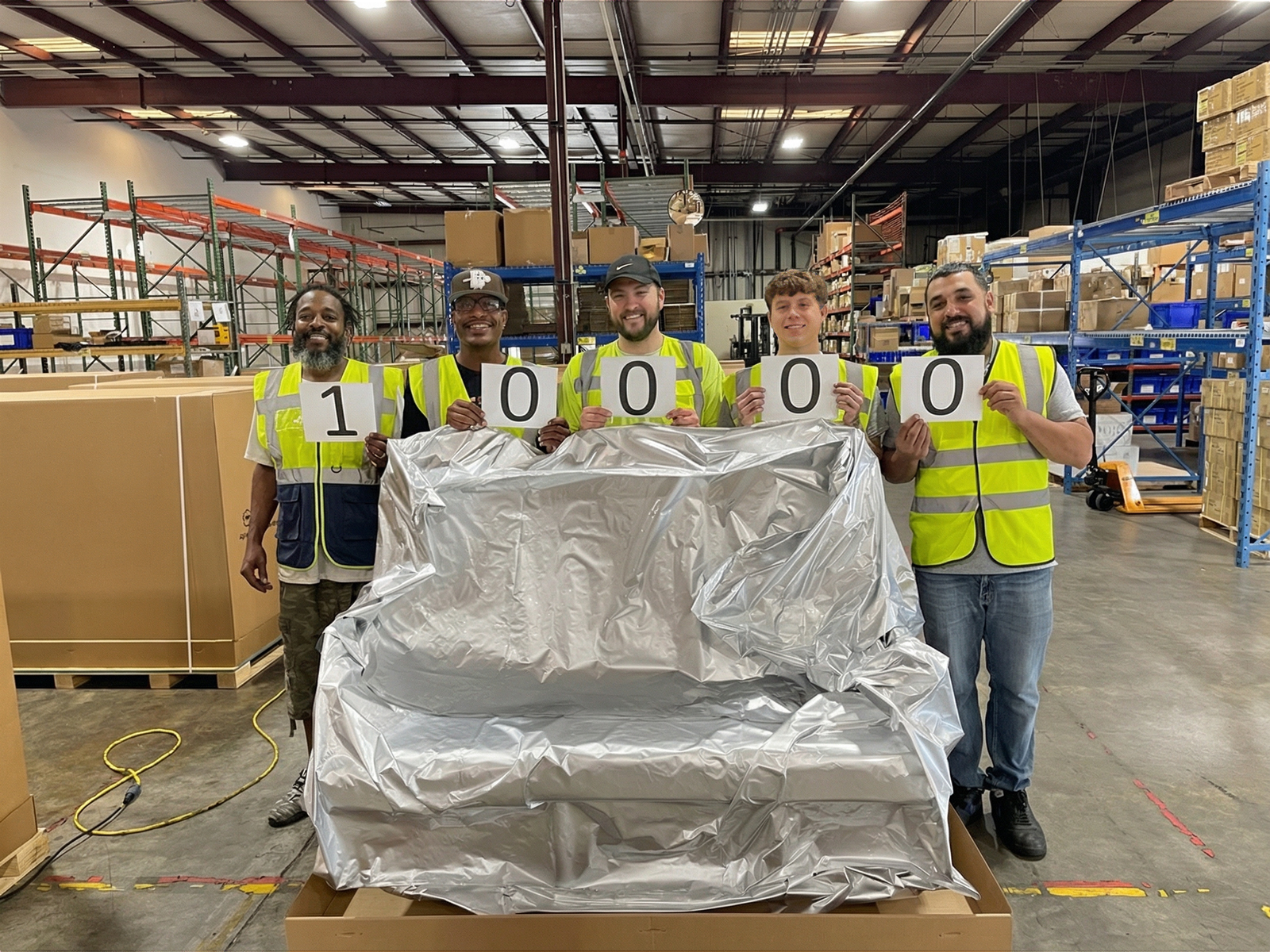
Finished product packaging using desiccant bags and outer boxes to reduce client non-value-add resource usage.
The client’s manufacturing site had capacity constraints in terms of people, time, and space.
Major Aerospace Company (under NDA)
Civil Aircraft Seating
Assembly, CMI, Quality Control, Warehousing, Logistics Management
3 months
- Two weeks’ buffer stock of assembled seat backs maintained across configurations to support schedule flexibility
- Full traceability established to programme level for all constituent parts
- Delivery to production line achieved within one hour of pull signal
Client Requirement
As the client’s operations accelerated following Covid, constraints on space, capacity, and skilled resources became increasingly acute. Rising production volumes meant that finished‑goods packaging emerged as a line‑stopping bottleneck, while the accumulation of packaged inventory began to encroach on critical production space, slowing the client’s recovery. To address these challenges, the client required a trusted partner with the capability and agility not only to manage scheduled packaging and shipment activities, but also to respond to customer‑driven expedite demands with the same speed and flexibility as their own operation.
The Solution
Strategy
RTA’s strategy is founded on close collaboration with clients, recognising that effective and sustainable solutions are best developed in partnership with the teams closest to the operation. By working alongside the client to understand their objectives, constraints, and priorities, RTA ensure that proposed solutions are practical, aligned with existing processes, and fully supported by the client’s organisation. This collaborative approach enabled RTA to jointly identify critical process requirements and design a service model that met operational needs while remaining responsive to changing production and customer demands.
Design
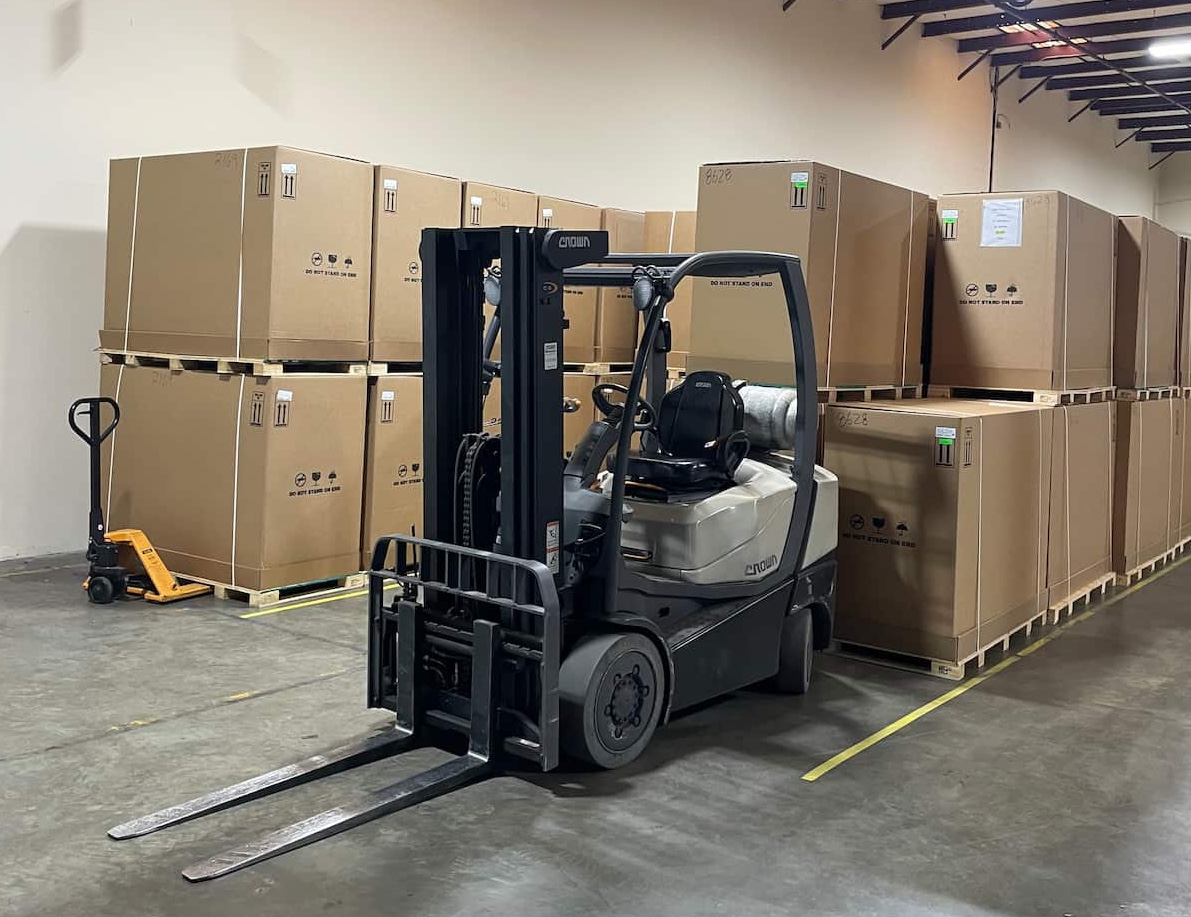
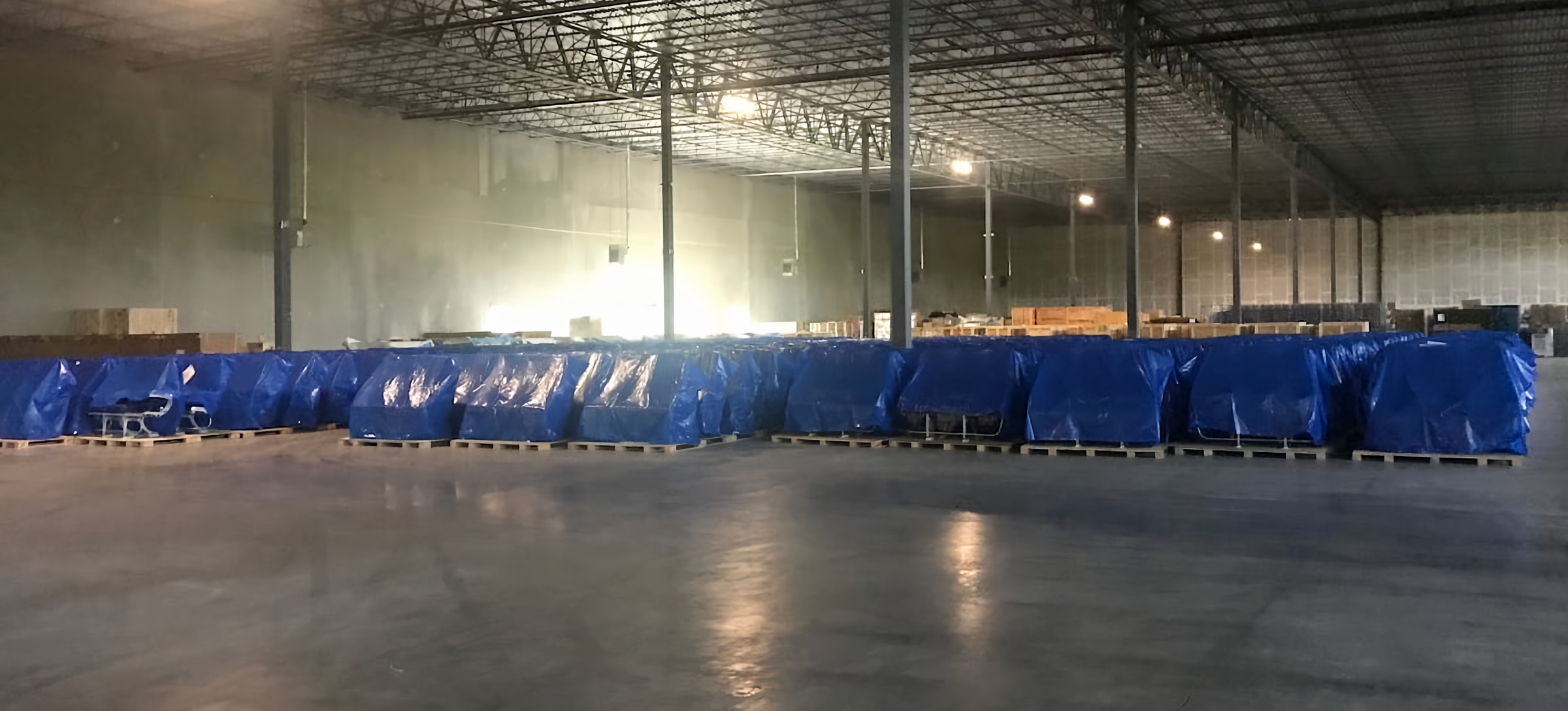
Once the scale of the operation was defined, it was clear that the existing RTA site was unsuitable. A larger, dedicated facility near the client was therefore secured and designed around the identified critical process paths. Floor layouts and workflows were defined accordingly, with training materials updated using the client’s WI and SOP to align with the revised process. The final design utilised the dedicated site exclusively for this service, improving product control, enhancing the detection of damage or FOD, and reducing the risk of their introduction.
Execution
Execution of the service was underpinned by close operational integration with the client. Selected RTA personnel were trained directly by the client in accordance with the applicable work instructions (WI) and standard operating procedures (SOP), ensuring full alignment with required standards from day one.
A dedicated core team of four personnel was assigned full‑time to the operation, providing consistency, ownership, and process stability. This core capability was supported by additional trained resources drawn from other RTA operations as required, allowing the service to flex in response to customer expedites or periods of higher‑than‑planned volume. This resourcing model ensured that scheduled throughput was maintained while retaining the agility to respond to short‑notice demands without compromising quality or control.
The outcome
“Working with RTA has been a genuine pleasure, they really understand the concept of teamwork, especially when we really need to push to support our customers. Professional and super responsive. Thank you RTA for your incredible partnership!!”
Program Manager Major Aerospace Company
Ready to work together
Get in touch with our team to discuss how RTA can support your operations.